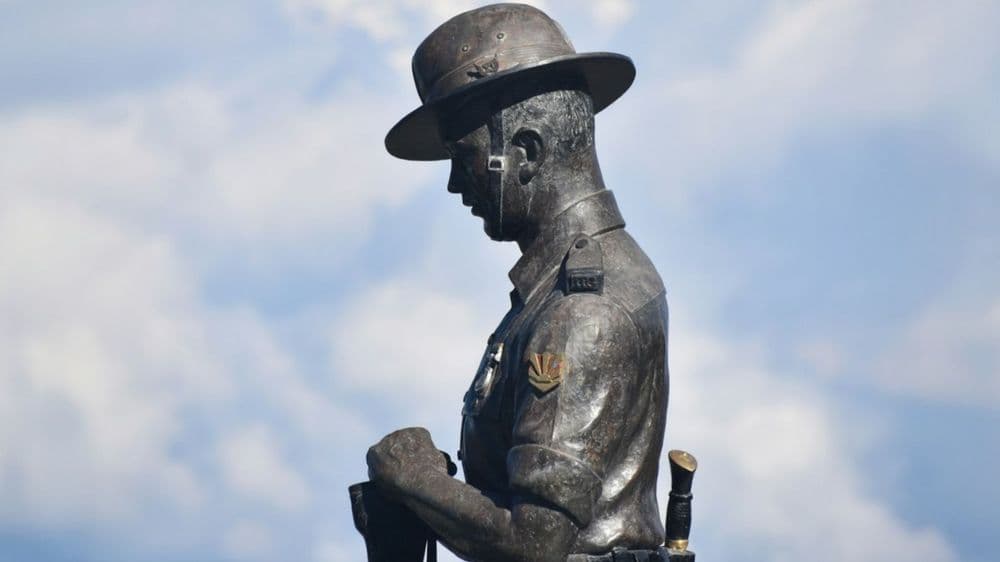
Shahid Diwas: Merely a Day of Tribute or an Opportunity to Vow to Fulfill Unfinished Dreams? On July 27, various political parties and organizations across the Darjeeling Hills, Terai, and Dooars reverently observe Martyrs' Day. The contributions of the martyrs of the Gorkhaland movement are remembered through lighting lamps, offering khadas (traditional scarves), and organizing tribute programs at martyr memorials at various locations. In some places, martyr families are honored, while appeals are also made for the protection and cleanliness of martyr monuments.
However, a question remains equally relevant today: Should Martyrs' Day on July 27 be limited to a mere formal event and tribute, or should it serve as an opportunity for serious reflection on the dreams the martyrs envisioned, the purpose of their sacrifice, and the political aspirations that remain unfulfilled to this day?
During the various phases of the Gorkhaland movement since 1986, many Gorkhas have sacrificed their lives. They fought for their identity, rights, political respect, and the aspiration for a separate state. Although the nature and leadership of the movement have changed over time, the demand for Gorkhaland remains a vital subject of political debate today.
Every year July 27 arrives, martyrs are remembered, tributes are paid, their contributions are discussed, and commitments to move forward on the path they showed are expressed. But the question arises—does remembering the martyrs on just one day truly evaluate the real worth of their sacrifice?
If we are to genuinely respect the sacrifice of the martyrs, there is a need to keep the issues they raised alive 365 days a year. Organizing events in the name of martyrs is important, but placing the purpose of their sacrifice at the center of political, social, and constitutional dialogue may be even more crucial.
Today, various political parties in the Hills, Terai, and Dooars are celebrating Martyrs' Day. However, self-reflection is also necessary regarding how much the division, differing strategies, and leadership differences among various political forces linked to the same movement and history have affected the Gorkhaland issue. If the martyrs' dream is a shared one, why can there not be unity on the path to achieving that dream? The time has come for today's generation to put this question to the leadership.
Martyrs' Day should not only remind us of past sacrifices, but it should also remind the current leadership and political forces of their responsibilities. Rather than limiting the sacrifice of martyrs to political speeches and slogans, concrete work must be done regarding the condition of their families, the history of the movement, and educating future generations about that history.
Particularly for the new generation, July 27 is not just a date on the calendar. It should also become a day to understand history, study the movement's background, and learn lessons from past mistakes and achievements. If the new generation fails to grasp the true meaning of the martyrs' sacrifice, the history of any movement risks being reduced to mere memory.
Therefore, it is natural to question whether offering flowers and khadas on Martyrs' Day is enough. Obtaining justice for the souls of martyrs is not just an emotional matter; it is also tied to political and social responsibility. The real way to honor their sacrifice is through concrete initiatives regarding the long-term aspirations, identity, rights, and political solutions of the Gorkha community through honest, democratic, and constitutional processes.
Whether, when, and through which political process the Gorkhaland issue will be resolved will be determined by future political circumstances. But one thing is clear—Martyrs' Day should not only be a day to remember the past, but also a day to chart the course for the future.
As lamps are lit in the name of the martyrs today, let us ensure that the same question does not need to be repeated next year: "We remembered the martyrs, but what did we do to fulfill the dream they envisioned?"
Perhaps finding the answer to this very question is the greatest message of July 27. If we are to honor the sacrifice of the martyrs, unity, responsibility, continuous struggle, and result-oriented political initiatives are necessary alongside tributes. Ultimately, the essence of Martyrs' Day is not just remembering the martyrs, but also self-reflecting on why they sacrificed their lives and what the present generation is doing to fulfill their dream.